Outbound isn’t broken. It’s just evolved.
Ten years ago, a new hire alert or funding round was enough to crack open doors. 10% opp rates off a simple trigger. Cold calls and scrappy emails worked because they were rare.
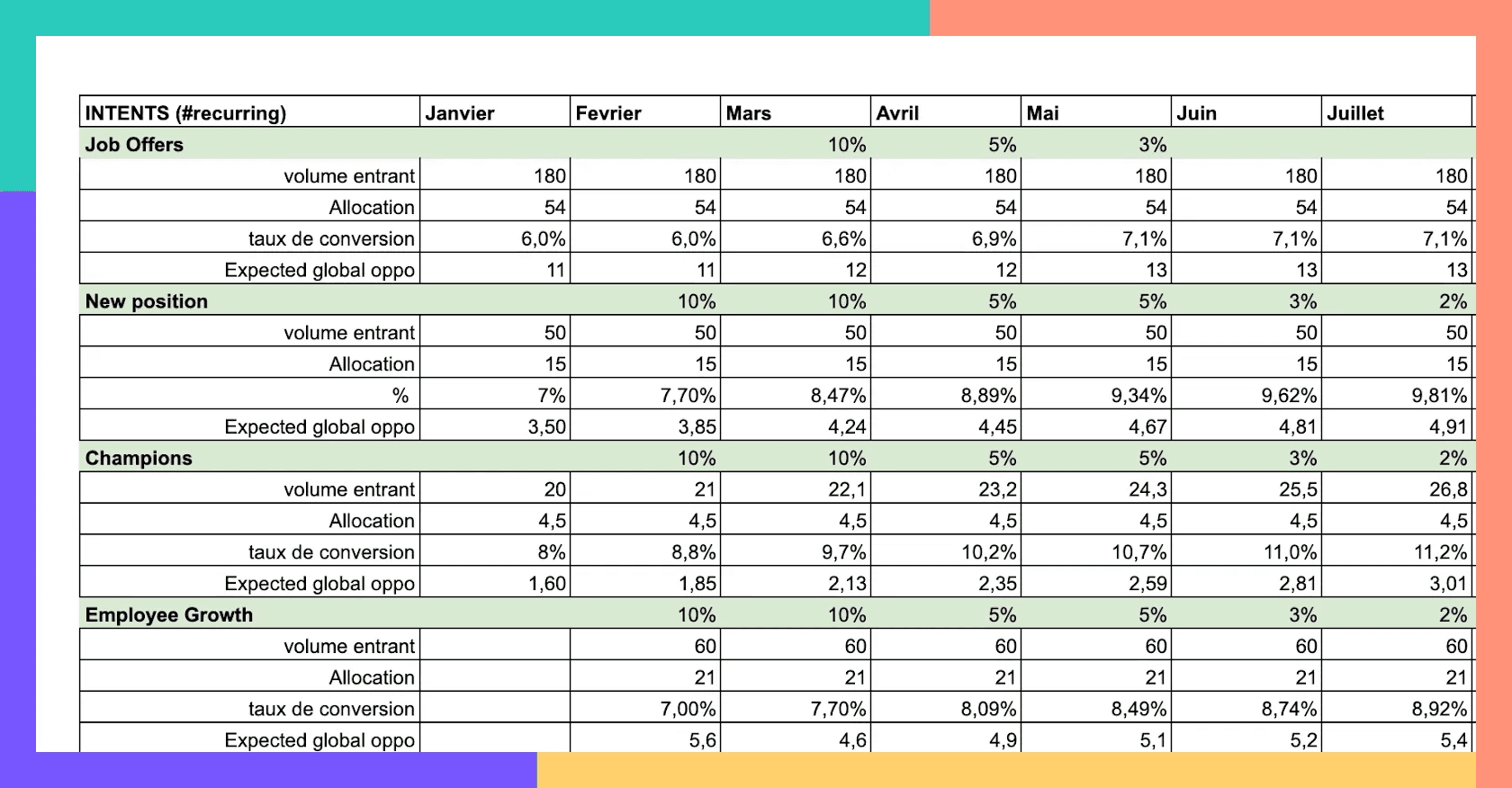
Today?
Same plays get you 5x less. Buyers drown in 100+ cold emails a day. Every rep has the same Linkedin sales nav feed. Every rep runs the same Apollo sequence with “Worth a chat?” as the punchline.
Noise. Volume. Fatigue.
That’s why outbound feels dead.
But it’s not, it’s shifting.
The best GTM teams stopped chasing meetings. They ship value through an integrated revenue system where marketing and sales act as one, moving buyers from awareness to action.
Think outbound like distributed PLG: delivering value-first “micro-products” that earn attention, generate first-party signals, and build trust before a sales conversation even starts.
Outbound as Distributed PLG #
Distributed PLG Outbound: Outbound outreach that transports prospects to value endpoints and captures the resulting first-party signals.
Outbound only works when it transports prospects to value endpoints: product signups, industry benchmarks, in person or online events, tools, or communities. The campaign itself doesn’t create intent. The action at the endpoint does.
That’s the job: multiply value-led touchpoints, capture the first-party signals they produce, and score lead maturity (also called “sales readiness”).
Reps engage only when that maturity crosses your threshold.
Value is the new entry ticket.
If you’re not giving them something worth their click, you’ll never cut through.
What you get back:
- Attention.
- Trust.
- And most importantly, first-party signals that no one else has.
That’s the real prize.
Outbound has become a system for manufacturing and harvesting those signals, the signal lives where the value happens. Outbound just gets them there.
Whoever controls that loop, controls the market.
A good example of leveraging outbound distribution power for their freemium strategy is Ramp. Come for the free cards, stay for the Software.
This strategy brought 5x increase in customers since the beginning of 2021.
The Race for First-Party Signals #
Everyone sees the same job changes, funding rounds, and intent spikes: you can’t scale or differentiate on shared signals.
First-party signals are different. They’re earned through your own distribution: event signups, content downloads, product activations, or community engagement.
They’re proprietary. They compound. And they tell you who’s actually leaning in.
At Augment: Outbound is not used to book meetings, it is used to drive product signups at scale. No “worth a quick chat?” emails, no heavy personalization. Just a simple message, a clear value prop, and a direct link to try the product. That is it. A sharper, more direct approach that works best for developer audiences. No sales touchpoint, no friction. Just distribution.
Smart operators treat outbound as a PLG-style feedback loop: distribute value, capture engagement, score readiness, and hand off to reps automatically when signal density crosses your threshold.
You can have perfect segmentation, but even the best message is useless if the timing isn’t right.
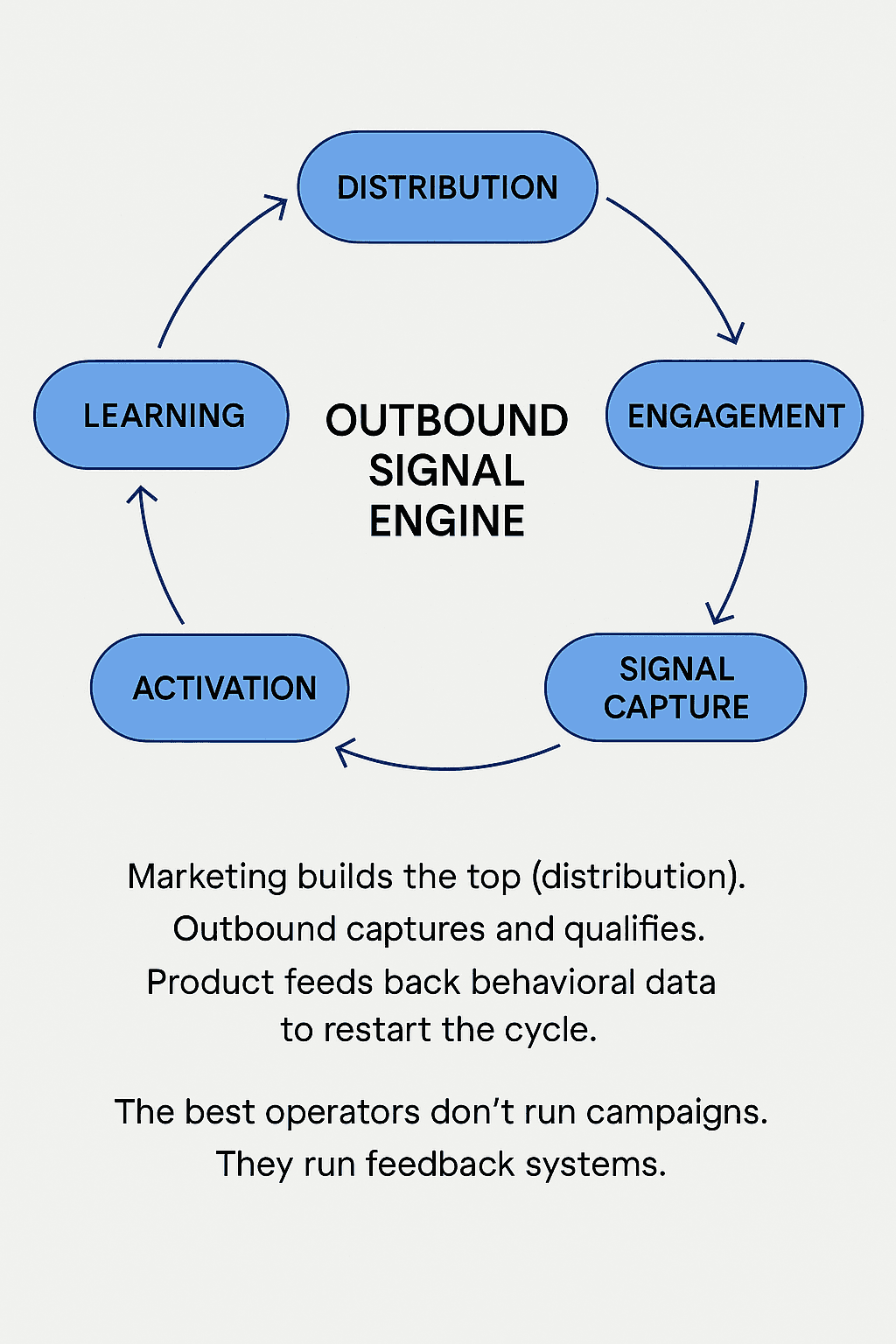
That’s the real power of first-party signals: they tell you when to sell, not just who to sell, and they’re the only signal type you can actually scale and control.
Orchestrating the Engine: Operator’s Mandate #
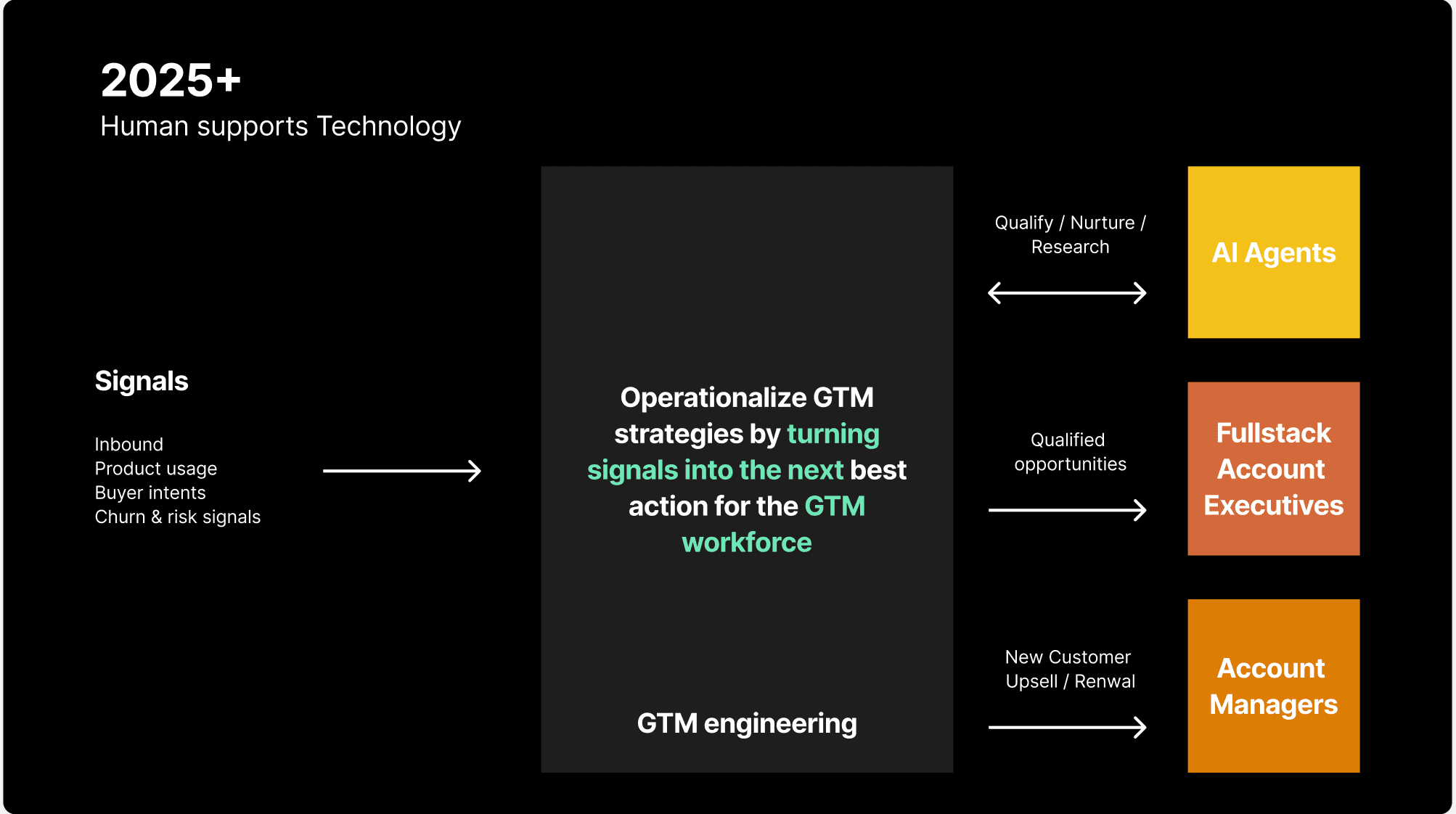
This is the era of the revenue architect designing systems that turn raw signals into revenue, ensuring reps act only when it matters.
Here’s the architecture of a modern revenue engine:
Step one: Filter for ICP-fit accounts using firmographics and custom datapoints that define your ICP.
Step two: Within that ICP, surface the right accounts by stacking signals.
- First-party signals → event signups, content, community, product data.
- Third-party signals → G2 visits, job changes, funding rounds, website spikes.
Each account ends up with three layers of intelligence:
- Fit Score = ICP match.
- Readiness Score = signal density.
- Global Sales Readiness Score → when both align, the trigger for sales handoff
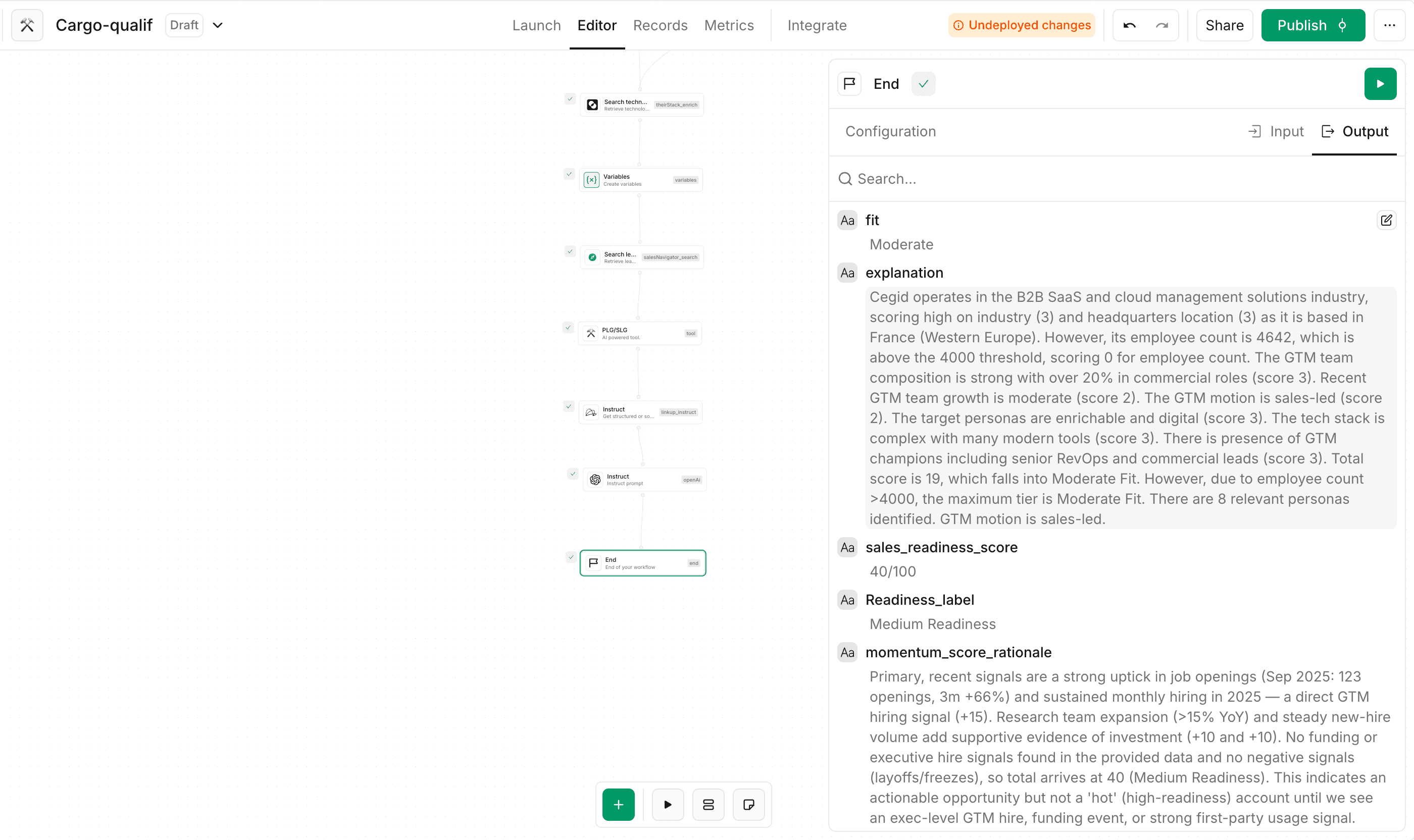
Only those accounts reach sales.
The goal isn’t to send more. It’s to sense faster and act precisely when the system says go.
Operator Tip: Once you run the qualification agent for any segment (close-lost, new logo, new signup, look-alike, etc.), focus only on accounts showing both high fit and high readiness. To make it systematic, define rep capacity and allocation rules so every Monday your team is automatically served a curated list of high-fit, sales-ready accounts, complete with reasoning and next-best-action suggestions.
This is orchestration, not brute force.
From architecture to execution #
Once the architecture is live, the real edge comes from how you operate it.
Top operators focus on five execution levers:
- Generate proprietary signals.
Use outbound, ads, and community plays to create value endpoints you own, every engagement adds to your first-party moat.
- Unify all channels under one orchestration layer.
Allbound > Outbound. Connect LinkedIn, events, email, and product into one feedback loop that scores and routes signals automatically.
- Feed marketing like an engineering function.
Treat campaigns as micro-products: research, benchmarks, or tools that reps can distribute instantly. Personalization scales with AI, not headcount.
- Measure velocity, not vanity.
Forget MQLs. Track how fast high-fit accounts progress once they’re activated, and how quickly reps act on signals. Revenue velocity is the KPI. Your ability to reduce revenue latency defines how fast you grow.
- Deploy experts, not sellers.
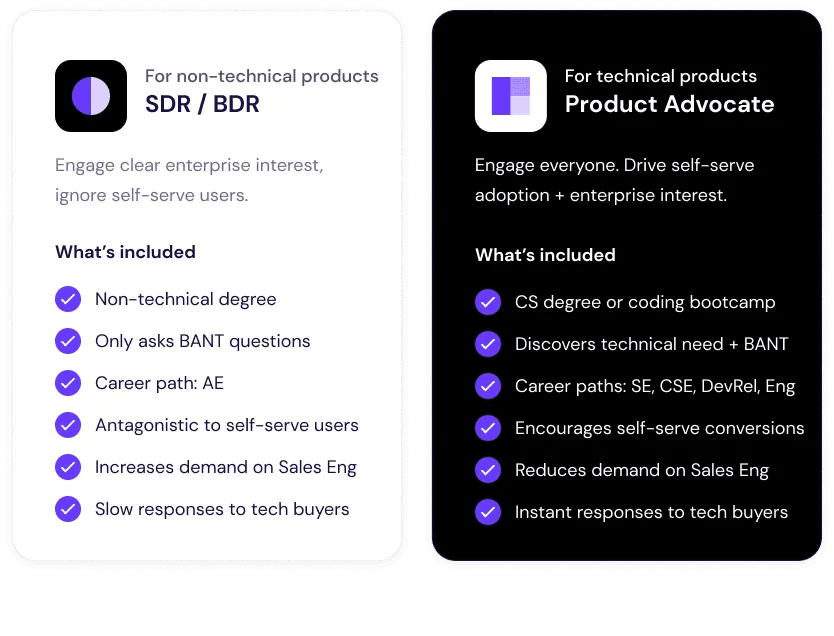
When signals are hot, reps show up as peers with context. In devtools for instance, AEs act like product advocates, not closers.
The formula:
- When the signal is hot → send a human expert.
- When it’s not → let AI and automation nurture until it is.
Outbound isn’t dying, it’s maturing into one cohesive strategy. Not a isolated motion like it used to be.
The Next Bet: AI Orchestration #
In the next 12 months, orchestration layers and AI agents will make every signal actionable: unifying data, personalizing outreach, and routing opportunities to the right treatment.
The playbook is simple:
- When the signal’s hot → send a human expert.
- When it’s not → let AI and automation nurture until it is.
The result is autonomous revenue operations: systems that learn, prioritize, and execute faster than any human queue could.
When you control how signals are created, scored, and acted on, you don’t just run a GTM motion, you run an adaptive engine that accelerates on its own.
That’s the next frontier: a revenue system that thinks and decides what’s next.
Key Takeaways #
- Outbound evolved from cold to signal-first: Traditional cold outbound (job changes, funding rounds) dropped from 10% to 2% opp rates due to noise and buyer fatigue, the shift is toward “Distributed PLG Outbound” that transports prospects to value endpoints (tools, benchmarks, product signups) and captures first-party signals
- First-party signals are the only scalable competitive moat: Everyone sees the same third-party signals (job changes, funding, intent spikes), first-party signals from your own distribution (event signups, product activations, content downloads) are proprietary, compound over time, and tell you WHEN to sell, not just WHO
- Three-layer scoring system gates sales engagement: Fit Score (ICP match) + Readiness Score (signal density) = Global Sales Readiness Score, reps engage only when both align, eliminating wasted outreach and focusing on accounts that are ready to buy
- Outbound is now a distribution channel, not a sales motion: Modern outbound doesn’t book meetings directly, it drives prospects to value endpoints at scale (Augment uses outbound to drive product signups, not “quick chat” emails), creating a PLG-style feedback loop that scores readiness automatically
- AI orchestration enables autonomous revenue operations: When signal is hot → human expert engages; when not → AI nurtures until ready, systems that unify data, personalize outreach, and route opportunities automatically will define the next generation of GTM execution
Frequently Asked Questions #
Distributed PLG Outbound transports prospects to value endpoints (product signups, tools, benchmarks, events) rather than directly asking for meetings. The campaign doesn’t create intent, the action at the endpoint does.
Traditional: “Worth a quick chat?” → 2-5% meeting rate, no value until meeting happens
Distributed PLG: “Try our [tool/benchmark]” → 10-30% engagement rate, immediate value + proprietary first-party signals
Why it works: Cuts through noise by offering value first, generates signals no competitor has, builds trust before sales conversations start.
Example: Augment uses outbound to drive product signups, no “quick chat” emails, just “Try the product: [Link].”
Third-party signals (commoditized): Job changes, funding rounds, intent spikes, tech stack changes, everyone sees the same data, no competitive advantage.
First-party signals (proprietary): Event attendance, content downloads, product activations, community engagement, tool usage, only you have this data.
Why first-party wins:
- Proprietary: Competitors can’t see or act on it
- Behavioral: Shows actual interest, not just demographic fit
- Timing: Tells you WHEN to sell, not just WHO
- Compounding: Each interaction adds signal density
- Scalable: You control distribution and can generate more
Example: Company raises $20M (everyone knows) + Downloaded your benchmark + Attended webinar + Signed up for trial (only you know) = You engage with 4 signals and context, competitors engage cold with 1.
The system combines fit and readiness to determine when accounts are sales-ready.
Layer 1: Fit Score (0-100) - How well they match your ICP (company size, industry, tech stack, geography)
Layer 2: Readiness Score (0-100) - Buying intent based on signal density (first-party signals weighted higher, with recency decay)
Layer 3: Global Sales Readiness Score - (Fit × 0.4) + (Readiness × 0.6) = Global Score
Sales handoff rules:
- Score > 75 + Fit > 70 + Readiness > 70 → Route to AE immediately
- Score 50-75 → Nurture with automation until readiness increases
- Score < 50 → Keep in marketing automation
Example: Fit 85 + Readiness 90 = Global Score 88 → Route to AE immediately with context on all signals.
Result: Sales only engages accounts that are both fit AND ready, dramatically increasing conversion rates.
Value endpoints deliver immediate value while capturing engagement signals:
1. Free Tools & Calculators - ROI calculators, benchmarking tools, assessments. Capture: email, usage depth, results viewed
2. Product Signups - Free tier, trial, or sandbox access. Capture: activation, feature usage, engagement depth
3. Industry Benchmarks - Proprietary research and reports. Capture: downloads, time spent, sections read
4. Events & Community - Webinars, workshops, Slack/Discord communities. Capture: attendance, engagement, return visits
5. Content Hubs - Email courses, certifications, template libraries. Capture: course progress, modules completed
Distribution: Use outbound, ads, and content to drive prospects to endpoints (not to book meetings).
The loop: Distribute value → Capture signals → Score readiness → Engage when hot
A revenue architect (typically in RevOps, Growth, or GTM Engineering) designs systems that turn raw signals into revenue, ensuring reps act only when it matters.
What they build:
- Signal Infrastructure: Integrate first/third-party data sources into unified data model
- Scoring Systems: Define ICP fit criteria, readiness scoring, and sales handoff thresholds
- Orchestration Workflows: Automated routing, nurture sequences, capacity allocation, next-best-action recommendations
- Value Endpoints: Design tools/benchmarks/events that generate first-party signals
- Measurement: Track revenue velocity, signal quality, and system performance
Key difference: Traditional RevOps is reactive (fix CRM issues, pull reports). Revenue Architects are proactive (build self-optimizing systems that automatically generate and act on signals).
Goal: A revenue engine that gets smarter over time without constant human intervention.
Phase 1: Audit (Weeks 1-2) - Document current opp rate, signals used, ICP definition, and first-party signal sources
Phase 2: Build Infrastructure (Weeks 3-6) - Define ICP fit scoring, integrate first-party data sources into data warehouse, build readiness scoring model
Phase 3: Create Value Endpoints (Weeks 7-10) - Start with ONE endpoint (free tool, benchmark, or community), test distribution, target 10-30% engagement
Phase 4: Build Workflows (Weeks 11-14) - Set up signal-triggered routing (score > 75 → AE, 50-75 → nurture, < 50 → automation) and weekly rep account allocation
Phase 5: Train Reps (Weeks 15-16) - Shift from “500 accounts, start dialing” to “20 fit + ready accounts with signals, context, and next-best-action”
Phase 6: Optimize (Ongoing) - Track signal-driven vs cold performance, iterate on high-performing signals, build more endpoints
Timeline: 16 weeks to full transition, results by week 8-10.
AI enables autonomous revenue operations by making every signal actionable without human intervention:
1. Signal Detection - Monitors data sources, enriches signals with context, identifies patterns humans miss
2. Scoring & Prioritization - Calculates fit/readiness scores, predicts conversion probability, surfaces top accounts
3. Personalization at Scale - Generates personalized outreach, customizes landing pages, recommends optimal value endpoints
4. Routing & Orchestration - Routes signals to right rep based on capacity/territory, triggers workflows automatically
5. Nurture & Follow-up - Nurtures unready accounts, determines optimal timing, escalates when readiness crosses threshold
6. Learning & Optimization - Analyzes signal patterns, adjusts scoring weights, recommends new endpoints
The playbook: Hot signal (> 75) → human expert | Warm (50-75) → AI nurtures | Cold (< 50) → AI monitors
Result: System learns, prioritizes, and executes faster than humans, freeing reps for high-value conversations only.
Stop tracking: Total emails/calls, MQLs, activity per rep
Start tracking:
Signal Generation - First-party signal volume, endpoint engagement rate (target: 10-30%), signal cost
Signal Quality - Signal-to-opp rate (target: 5-15%), signal-to-close rate (target: 1-3%), signal predictiveness
Scoring Accuracy - Fit/readiness score accuracy, false positive rate (< 30%), false negative rate
Revenue Velocity - Signal-to-action time (< 24 hours), signal-to-opp time (< 7 days), signal-to-close time (< 90 days)
Conversion Comparison - Signal-driven opp rate (15-25%) vs cold (2-5%), lift (target: 3-5x)
Pipeline Composition - % from signal-driven (target: 50%+ in 6 months), signal density at close vs lost
Rep Efficiency - Time to first meeting, meetings per rep, win rate by signal type
Goal: Prove signal-first generates higher-quality pipeline faster than cold outbound, justifying the investment.
 MaxNov 14, 2025